

Description
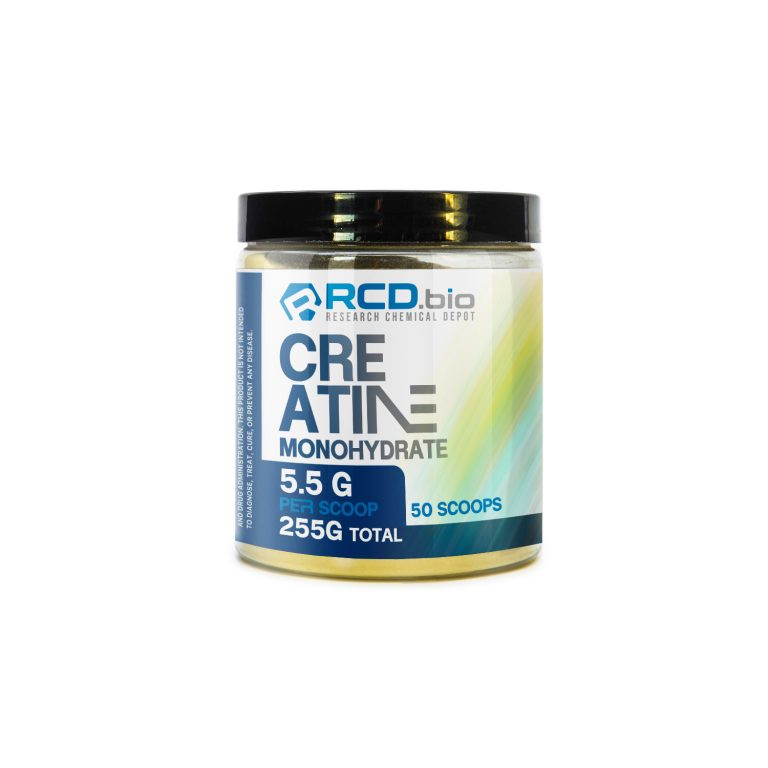
Creatine Monohydrate
Preclinical findings have shown that Creatine Monohydrate is a naturally occurring nitrogenous organic compound synthesized from the amino acids glycine, arginine, and methionine. It is classified as a guanidino compound and plays a critical role in cellular energy metabolism.
Creatine monohydrate exists as a stable crystalline compound. Its molecular structure allows efficient phosphorylation into phosphocreatine, which serves as a rapid energy reserve in tissues with high and fluctuating energy demands, particularly skeletal muscle, cardiac tissue, and neural cells under experimental conditions.
Chemical Properties
| Product Name | Creatine Monohydrate |
| CAS | 6020-87-7 |
| Molar Mass | 149.15 g·mol⁻¹ |
| Chemical Formula | C₄H₉N₃O₂ · H₂O |
| IUPAC Name | 2-(Carbamimidoyl-methylamino)acetic acid monohydrate |
| Synonyms | Methylguanidoacetic acid monohydrate |
Working Mechanism of Creatine Monohydrate
Laboratory experiments indicate that Creatine Monohydrate interacts with cellular energy systems through multiple interconnected biochemical pathways. Below is the potential experimental mechanism:
Phosphocreatine System Enhancement
Preclinical studies suggest that creatine monohydrate increases intracellular creatine stores. Once phosphorylated, phosphocreatine acts as a rapid phosphate donor to regenerate ATP during high-energy demand in experimental models.
ATP Regeneration Support
Creatine monohydrate participates in the creatine kinase reaction, helping maintain ATP levels during short-duration, high-intensity activity in laboratory settings. This mechanism supports cellular energy stability.
Cellular Hydration Effects
Experimental findings indicate that creatine monohydrate may increase intracellular water retention. This osmotic effect has been associated with enhanced cellular volume and metabolic signaling in research models.
Mitochondrial Function Modulation
Some studies suggest creatine monohydrate may influence mitochondrial efficiency by buffering ATP availability, potentially improving cellular resilience under metabolic stress in controlled experiments.
What are the Potential Benefits of Creatine Monohydrate?
Creatine monohydrate remains a subject of extensive research. Preliminary studies may suggest the following potential observations:
- Acts as a reference compound for cellular energy metabolism research
- Supports investigation of muscle physiology and bioenergetics
- Serves as a model compound for ATP turnover studies
- Assists researchers in studying exercise-induced cellular adaptations
- Contributes to neuroscience research related to neuronal energy buffering
What are the Potential Side Effects of Creatine Monohydrate?
The following potential effects have been observed in preclinical and laboratory research:
- May cause increased intracellular water retention in experimental models
- Dose-dependent gastrointestinal responses have been observed in some assays
- Alterations in renal biomarker readings have been reported in high-dose research settings
- Temporary weight fluctuations observed in laboratory-controlled studies
Why Choose RCDbio to Buy Creatine Monohydrate Powder?
RCDbio provides research chemicals, laboratory-grade extracts, and peptides with third-party testing for quality and purity standards. We aim to be your trusted online source for research-grade tablets and other compounds. In addition, we provide a quick and secure transaction experience to our buyers.
Disclaimer
Creatine Monohydrate Powder is supplied strictly for laboratory research use only. RCDbio products are not intended to diagnose, treat, cure, or prevent any disease.
The Food and Drug Administration has not evaluated the statements on our website. Researchers must comply with all applicable local laws and regulations. By purchasing, you agree to our Terms and Conditions. In addition, RCDbio reserves the right to refuse sales to unauthorized individuals.
For queries, complaints, or support, contact support@rcdbio.co.


Reviews
There are no reviews yet